


News About News
Hello, dear readers. Before we get to the meat and potatoes, I have a couple of hors d’oeuvre about the growth and evolution of Culture & Anarchy.
Call for pitches
I gave up my full-time job in AI a few months ago, not only to get back to writing but to find ways of stimulating new kinds of philosophical conversation. For that reason, from September I’m going to be soliciting and accepting submissions for paid writing to feature on Culture & Anarchy.
Why? Partly because I’m crazy, and partly because I’ve benefited - albeit in a very small way - from an industry which has committed mass theft against writers and artists only to shove slop down our throats, and I want to give something back to creators who deserve better. I don’t have a huge budget - I am crazy, not rich - but it’s enough for another little experiment to express belief in human intelligence.
I’ll share criteria in a few weeks (don’t pitch me yet!), but I’ll be looking for work that addresses the major themes of the newsletter (such as how we make progress by embracing the contingency of our worldviews), with a focus on well-researched histories of ideas, close readings and recent book reviews (not so much personal takes on thought experiments and the like).
I’m particularly keen to support emerging voices with editorial guidance - as much as I want to bring certain kinds of writing into the world, I also want to help get the best out of people with collaborative creative practices.
Members Room
I mentioned in a Note recently that I’d become conflicted about using Notes on Substack (the twitter-like feed, for those that don’t know). On the one hand, it’s a great medium for fast-paced philosophical noodlings, but, on the other, it can be a drain on the newsletter.
Well, I’ll still be sharing short Notes but I’ll be making an adjustment: I often write things in the style of little philosophical dialogues, or quick reflections of a few hundred words, and these will now serve as bonus content for paid subscribers in a new Members area of the website - expect more dialogues, close readings of classic texts, book reviews, paper commentaries and so on. Major essays will still be available for free.
The themes that will come up in the Members Room will also come up in essays - the main benefit is a wider variety of formats, which can be extremely valuable if you’re learning about certain subjects. I love a well-argued, nicely structured academic monograph, but compared to Nietzsche’s aphorisms, say, or the miniature discourses of the Philosophical Investigations, or the fables of Zhuangzi? Papers are how you publicise, but poetry is how you learn.
If you’re a free subscriber and you know you’ll never be interested in any of this and would rather I didn’t turn up in your inbox every so often shaking my little tin cup, I’ve made the Members Room a ‘section’ of the newsletter, which means you can go to Substack, manage your Culture & Anarchy subscription, and opt out of all emails that have paid content (just deselect the Members Room). At least for the time being, I recommend not doing this, as the newsletter is still developing apace and you may change your mind in a few months!
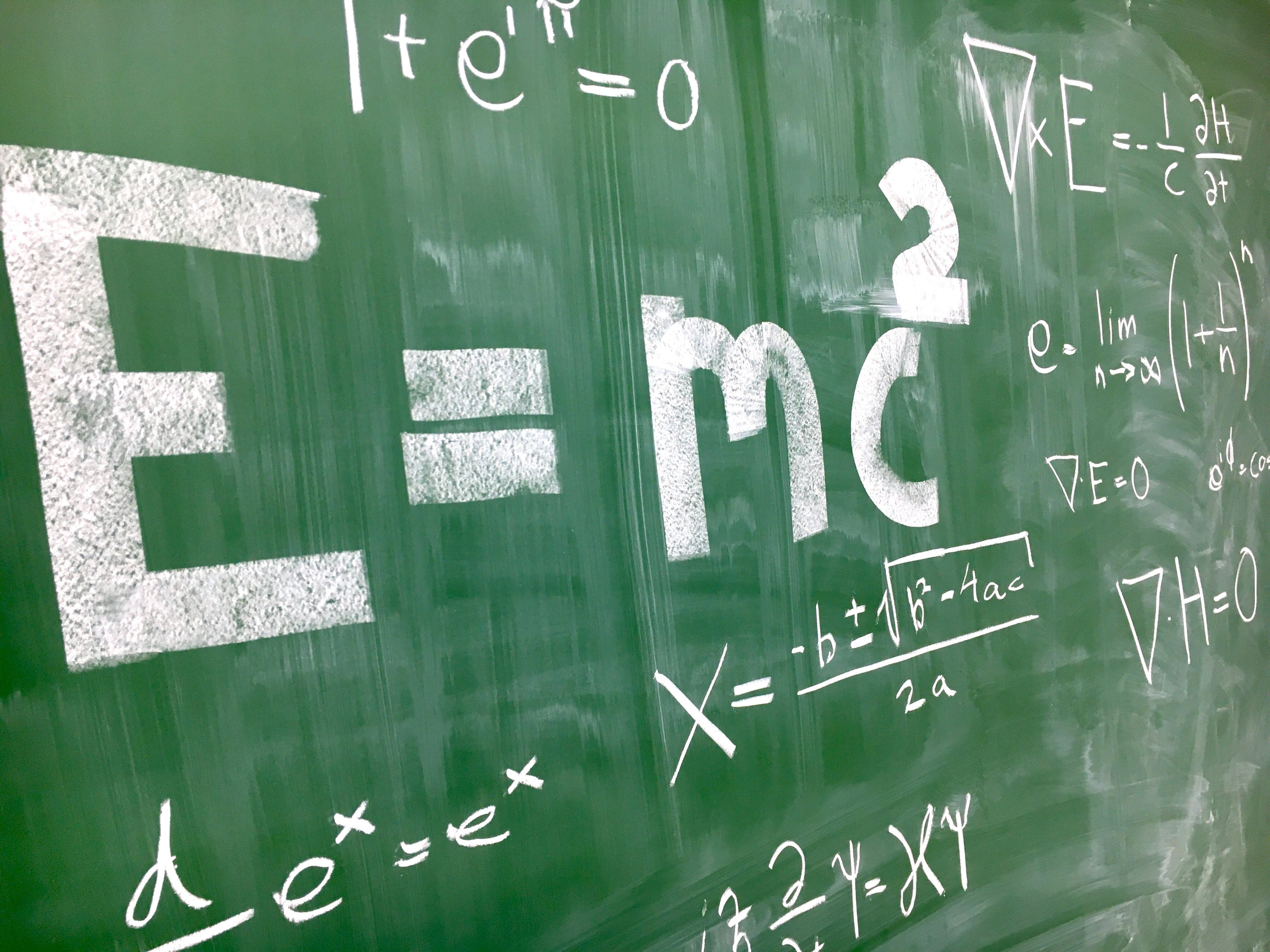
Well, that’s the news done, but it was all really preamble for a first little discourse for paid subscribers on relativism, touching on pragmatism and the private language argument. I also hint that relativists are all secretly Newtonians when we need to figure out how to become properly Einsteinian. Perhaps a topic to develop in an essay?
If there’s no truth, we’re all relativists.
No, if there is truth but it isn’t absolute, then we’re all relativists. If there’s no truth, there’s no foothold for relativism.
Get rid of truth, get rid of disharmony.
Get rid of truth? But you still call things ‘true’. And how? Because you have standards, and things are true relative to standards.
If I’m in the habit of saying P, what I mean by “P is true” is just “P is something I’d say.”
You’ll surely not want to say that P is made true relative to a habit of saying P, or we’d make things true by saying them. That’s not relativity, that’s anarchy.
“P is true” means more than “I’d say P.” How do you judge whether P is something you’d say? How do you know to say P instead of ¬P?
Keep reading with a 7-day free trial
Subscribe to Culture & Anarchy to keep reading this post and get 7 days of free access to the full post archives.